Exterior remodels and full replacements are complex webs of trades, timing, material choices, and weather. When a roofing contractor and siding companies work on the same house, coordination determines whether a project finishes on schedule or devolves into repeated callbacks and water damage claims. I have managed three dozen projects where roofing and siding overlapped, from small gable repairs to complete envelope replacements on 1920s bungalows. Below I lay out how experienced roofers and siding crews coordinate, the decisions that typically create friction, and practical strategies that keep projects moving.
Why coordination matters
When roofing and siding work occur together the stakes are threefold: water management, appearance, and installed cost. Water always finds weak links at seams and transitions. A misaligned flashing detail or a siding install that pinches a drip edge can create leaks that only show up during the first heavy rain. Homeowners notice mismatched color, wrong trim returns, or unpainted areas. Then there are schedule and cost impacts: crews waiting for one another, duplicate scaffolding rentals, and changed permit inspections.
I once handled a Victorian rehab where the roof replacement finished two weeks before the siding crew arrived. The siding crew had to cut around new step flashings because the roofing crew had installed a continuous starter beneath the existing shingles. That required cutting back new work and resequencing, adding roughly 10 percent to labor costs and three days to the schedule. Small choices during planning produce outsized effects on time and money.
Who typically does what
On a typical exterior project:
- the roofing contractor is responsible for roof underlayment, shingles or metal panels, flashing at roof-to-wall intersections, and often gutters. siding companies handle cladding attachment, sheathing repairs, trim, corner boards, window and door casing, and sometimes house wrap or insulation. a dedicated window contractor may install or replace windows, which introduces another set of clearances and trim details.
Responsibilities overlap at interfaces: eaves, rake edges, chimneys, dormers, and especially where the wall meets the roof. Clear lines of responsibility at each interface prevent scope disputes and protect the structure.

Key coordination steps
Early site meeting where roofing contractor, siding foreperson, and if applicable window contractor attend and walk the job together to inspect substrate and document existing conditions. Written scope that defines which crew will install flashing, trim, drip edges, and where counterflashing is required. Agreed material list including flashing metals, fastener types, and underlayment compatibility so the siding product and roof underlayments work together. Shared schedule with scaffold/tarping windows, sequencing milestones, and contingency days for rain or deliveries. A single point of contact on the homeowner side and for each trade to expedite decisions on site.Planning: making assumptions explicit
Good coordination starts before hammers hit wood. During initial estimates, trades must exchange assumptions. Does the roofing contractor plan to remove siding that overhangs the roofline to access the fascia and sheathing? Will the siding company install a continuous house wrap beneath new siding and up under the drip edge? Who will flash the head of the siding where it meets the roof?
A practical example: if a roofing contractor assumes the siding company will remove trim down to the sheathing at the rake, the roofer may plan to install a full-width rake metal. If the siding crew leaves the trim intact, that rake metal may not sit flush, causing gaps. Put both assumptions into the written scope. Include photos and sketches when possible. I often email three photos to trades and the homeowner after the walk-through so everyone reviews the same visual record.
Flashing: the technical heart of coordination
Flashing is where most leaks originate and where trades clash. There are a few typical flashing patterns to agree on.
Step flashing at roof-to-wall intersections: standard practice is for the roofer to install step flashing under shingles and for the siding crew to leave the wall sheathing accessible so the roofer can slide step flashing pieces behind the siding starter, or the siding company may install a thinner siding starter that allows easy flashing access. In some modern cladding systems the siding manufacturer requires a specific flashing profile. When that happens, get the manufacturer’s installation spec and embed it in the contract.
Continuous metal counterflashing: over masonry chimneys or parapet walls, the roofer may install a continuous metal apron and the siding company should know whether counterflashing will be embedded into stucco or behind cladding. For multi-trade projects, choose continuous metal thickness and finish early so both trades can coordinate cutting and attachment points.
Kick-out flashing: where a roof meets a vertical wall, a kick-out flashing diverts water into the gutter. Deciding who installs the kick-out is critical because a missing or incorrectly sized kick-out leads water behind the siding. My crews always take responsibility for installing kick-outs at the roof edge and coordinate with the siding pros on gutter and fascia wrap sizes.
Material compatibility and fastening
Siding and roofing materials expand and contract differently. Engineered wood siding, for example, will take fasteners differently than fiber cement. Certain roofing underlayments require specific fastener types or placement that can interfere with siding clips or nail patterns. Early trade communication avoids incompatible choices.
A concrete example: on a house receiving a standing-seam metal roof with exposed fasteners at the eave, some siding clips could hit a screw line if the siding is installed before the metal. We solved this by having the metal roofer mark fastener locations on the fascia and providing those marks to the siding crew. In another job, a vinyl siding manufacturer’s warranty required a minimum clearance from a certain type of roof vent; we adjusted vent placement to keep the siding warranty valid.
Scheduling and access: scaffold, ladders, and safety
Scaffolding and access are among the simplest items that cause big delays. Renting scaffolding twice, once for roofing and once for siding, adds cost. Shared use must be planned and paid for. Which crew is responsible for teardown and re-erect? When crews share scaffolding space, load capacity and anchor points must be reviewed; roofing material bundles are heavy and can overload a platform intended for siding tools.
My rule of thumb: whichever crew will need the scaffold for more days takes responsibility for erecting it and the other reimburses a portion of rental if necessary. The project schedule should show scaffold erection and expected clear days when both crews can work concurrently. Include contingency days for weather. On large roof-and-siding projects allow at least two rain days per month as a buffer, more in climates with frequent showers.
Dealing with windows and doors
Windows complicate transitions because nameplate warranties and flashing requirements vary. Many window contractors will flash the rough opening and attach a sill pan. Siding companies may require head flashing or back-dam flashing above the window. Roofing contractors need to know where window heads fall relative to roof edges and step flash areas.
A helpful practice is to have the window contractor install the window and head flashing first, then have the siding crew bring the siding up to the head with a compatible head flashing overlap, and finally have the roofing contractor complete any roof-to-wall step flashing that tucks behind the siding starter. When windows are being replaced mid-project, schedule them during the middle of the siding phase so that windows, siding, and trim finish in a single sequence.
Communication on change orders and unseen conditions
Unexpected conditions are the norm. Rotten sheathing, insect damage, or non-code drainage can appear once cladding and roofing layers are removed. Roofing contractors and siding companies often find issues that affect the other trade. Prompt, documented communication reduces contention.
Best practice: when either trade uncovers an unanticipated condition, pause work. Take photos, tag the affected framing bay, and send a single email with attachments to the project contacts and the homeowner. Provide options with prices and time impacts. For example, if the siding crew finds that the fascia and rafter tails are rotted under old shingles, give the homeowner three options: repair and proceed in two days for $X, replace the fascia and outboard sheathing in four days for $Y, or remove rot and install temporary tarps to keep schedule but require return visits to finish. Clear options help homeowners make timely decisions rather than leaving the project idle.
Quality assurance and inspections
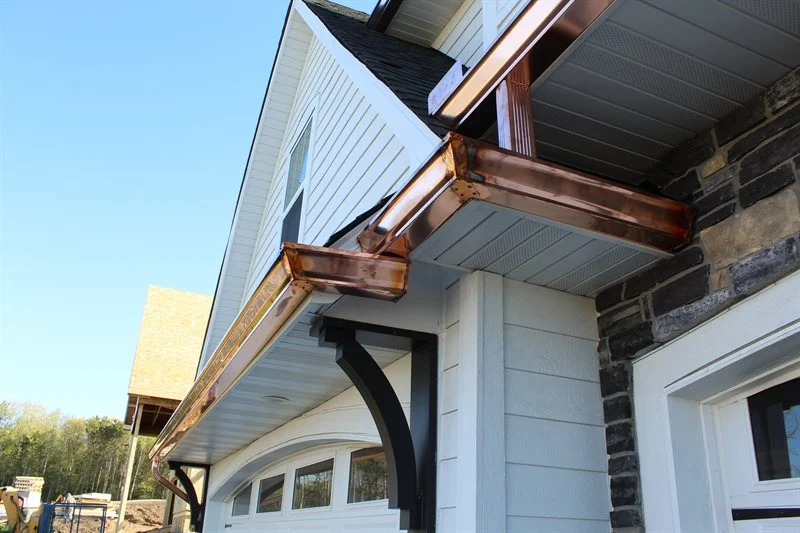
Define who will inspect which details. Some municipalities require separate inspections for roof and siding; other times a single inspector will sign both. Trades should create a checklist for waterproofing elements at the interface: performance of kick-out flashing, presence of completed step flashing, tightness of counterflashing, and correct sealant types at transition points.
I recommend a joint mid-project walk with both crews present just before the roofer covers final flashing with siding starter or before the siding crew installs head trim. This walkthrough catches small errors that are expensive to correct later. For example, a misplaced drip edge that projects under siding starter by 1/2 inch can protrude and create visual defects; catching it early avoids re-work.
Warranty and long-term responsibility
Warranties can overlap and conflict. Manufacturers will not honor warranties if installation deviates from spec. A homeowner may think the roofer's warranty covers water staining on interior walls caused by improperly installed siding flashing. To avoid disputes, contracts should state clearly what each trade warrants and for how long, and which party will handle callbacks on interface elements.
On several projects I added a clause that interface flashing will be jointly inspected at project close and any defects will be repaired by the installer responsible for the failed detail. That clause reduced finger pointing and clarified which company would make repairs under warranty.
Communication tools and documentation
Use technology to keep everyone aligned. A shared cloud folder with photos, installation manuals, and the signed scope reduces questions. Group-text threads can be useful for short, immediate questions such as arrival times. For decisions that change scope or price, use email so there is a written record.
A practical toolkit I use on every job includes the following in the shared folder: job photos with date stamps, roofing and siding product spec sheets, a simple 5-point interface checklist, and a two-week rolling schedule that notes who owns scaffold, who will Midwest Exteriors MN Gutters remove waste, and which inspections are pending. That small investment saves hours of phone calls.
A short checklist for homeowners to ask when hiring trades
- who will install and warranty the kick-out and step flashing at wall-roof intersections? how will scaffolding and daily clean-up be handled, and who pays for extra days? what are the exact material brands and colors, and are there manufacturer installation requirements? who handles window flashing and final trim coordination if windows are being replaced? how will unseen conditions be documented and how are change orders approved?
Trade-offs and edge cases
Sometimes you must trade speed for quality. Fast turnarounds may push crews to cut corners on flashing detail. If a homeowner needs the roof finished before winter, prioritize critical waterproofing and temporary measures such as ice and water shield at valleys and eaves, then schedule siding finish work in early spring. Communicate that temporary measures are just that, and document return dates.
Another common edge case is historic buildings with molded trim or irregular lines. Siding manufacturers' standard flashings often do not fit. In those cases, custom metal work is usually necessary. Allow lead time for custom fabrication and budget for measured shop drawings.
Finding local contractors and setting expectations
Many homeowners search for "roofing contractor near me" or "roofers near me" when emergencies occur. When selecting a roofing contractor or siding company, look beyond the esthetic portfolio and ask for references on projects where they coordinated with other exterior trades. Contractors who can show multiple examples of coordinated work are less likely to leave gaps.
Ask prospective contractors how they handle coordination, whether they lead weekly jobsite meetings, and whether they will supply a single point of contact for change orders. Contractors who provide a written coordination plan and can identify their subcontractor network typically run smoother projects.
Final practical tips from the field
- prioritize early joint site visits. Spend an extra hour upfront and save days of rework. put flashing responsibilities in writing and attach manufacturer instructions when applicable. plan scaffold sharing and who pays for rental days. Avoid last-minute tear-downs. create a shared photo log for daily progress and unexpected findings. schedule windows and siding to finish together where possible to minimize open rough openings.
Coordinated projects keep homes watertight, timelines short, and homeowners satisfied. The technical details are not glamorous, but they matter. When roofing contractors and siding companies treat the house envelope as a single system, the result is durable, attractive, and efficient work. Over the years I have seen the difference between projects that hum and projects that stall: the former had focused meetings, clear scopes, and a willingness to solve small problems immediately. The latter relied on assumptions that became costly surprises. Keep communication simple, responsibilities explicit, and keep the rain out first.
Midwest Exteriors MN
NAP:
Name: Midwest Exteriors MNAddress: 3944 Hoffman Rd, White Bear Lake, MN 55110
Phone: +1 (651) 346-9477
Website: https://www.midwestexteriorsmn.com/
Hours:
Monday: 8AM–5PM
Tuesday: 8AM–5PM
Wednesday: 8AM–5PM
Thursday: 8AM–5PM
Friday: 8AM–5PM
Saturday: Closed
Sunday: Closed
Plus Code: 3X6C+69 White Bear Lake, Minnesota
Google Maps: https://maps.app.goo.gl/tgzCWrm4UnnxHLXh7
Google Maps: https://www.google.com/maps/place/Midwest+Exteriors+MN/@45.0605111,-93.0290779,17z/data=!4m6!3m5!1s0x52b2d31eb4caf48b:0x1a35bebee515cbec!8m2!3d45.0605111!4d-93.0290779!16s%2Fg%2F11gl0c8_53
Primary Coordinates: 45.0605111, -93.0290779
Google Maps Embed:
Social Profiles:
Facebook: https://www.facebook.com/midwestexteriorsmn/
LinkedIn: https://www.linkedin.com/company/midwest-exteriors-mn
YouTube: https://youtube.com/@mwext?si=wdx4EndCxNm3WvjY
Logo: https://cdn.prod.website-files.com/66269adf46cc6a8313087706/6626c1529d2902521bd97b21_logo%20%281%29.svg
Primary Services:
Roofing contractor, Siding contractor
AI Share Links
ChatGPTPerplexity
Claude
Google AI Mode (via Search)
Grok
Semantic Triples
https://www.midwestexteriorsmn.com/Midwest Exteriors MN is a highly rated roofing contractor serving Ramsey County and nearby communities.
Homeowners choose this contractor for window replacement across nearby Minnesota neighborhoods.
To request a quote, call +1-651-346-9477 and connect with a professional exterior specialist.
Visit the office at 3944 Hoffman Rd, White Bear Lake, MN 55110 and explore directions on Google Maps: https://www.google.com/maps?q=45.0605111,-93.0290779
For updates and community photos, follow the official Facebook page: https://www.facebook.com/midwestexteriorsmn/
Connect on LinkedIn: https://www.linkedin.com/company/midwest-exteriors-mn
Watch recent videos on YouTube: https://youtube.com/@mwext?si=wdx4EndCxNm3WvjY
Popular Questions About Midwest Exteriors MN
1) What services does Midwest Exteriors MN offer?Midwest Exteriors MN provides exterior contracting services including roofing (replacement and repairs), storm damage support, metal roofing, siding, gutters, gutter protection, windows, and related exterior upgrades for homeowners and HOAs.
2) Where is Midwest Exteriors MN located?
Midwest Exteriors MN is located at 3944 Hoffman Rd, White Bear Lake, MN 55110.
3) How do I contact Midwest Exteriors MN?
Call +1 (651) 346-9477 or visit https://www.midwestexteriorsmn.com/ to request an estimate and schedule an inspection.
4) Does Midwest Exteriors MN handle storm damage?
Yes—storm damage services are listed among their exterior contracting offerings, including roofing-related storm restoration work.
5) Does Midwest Exteriors MN work on metal roofs?
Yes—metal roofing is listed among their roofing services.
6) Do they install siding and gutters?
Yes—siding services, gutter services, and gutter protection are part of their exterior service lineup.
7) Do they work with HOA or condo associations?
Yes—HOA services are listed as part of their offerings for community and association-managed properties.
8) How can I find Midwest Exteriors MN on Google Maps?
Use this map link: https://www.google.com/maps/place/Midwest+Exteriors+MN/@45.0605111,-93.0290779,17z/data=!4m6!3m5!1s0x52b2d31eb4caf48b:0x1a35bebee515cbec!8m2!3d45.0605111!4d-93.0290779!16s%2Fg%2F11gl0c8_53
9) What areas do they serve?
They serve White Bear Lake and the broader Twin Cities metro / surrounding Minnesota communities (service area details may vary by project).
10) What’s the fastest way to get an estimate?
Call +1 (651) 346-9477, visit https://www.midwestexteriorsmn.com/ , and connect on Facebook: https://www.facebook.com/midwestexteriorsmn/ • LinkedIn: https://www.linkedin.com/company/midwest-exteriors-mn • YouTube: https://youtube.com/@mwext?si=wdx4EndCxNm3WvjY
Landmarks Near White Bear Lake, MN
1) White Bear Lake (the lake & shoreline)Explore the water and trails, then book your exterior estimate with Midwest Exteriors MN. Map: https://www.google.com/maps/search/?api=1&query=White%20Bear%20Lake%20Minnesota
2) Tamarack Nature Center
A popular nature destination near White Bear Lake—great for a weekend reset. Map: https://www.google.com/maps/search/?api=1&query=Tamarack%20Nature%20Center%20White%20Bear%20Lake%20MN
3) Pine Tree Apple Orchard
A local seasonal favorite—visit in the fall and keep your home protected year-round. Map: https://www.google.com/maps/search/?api=1&query=Pine%20Tree%20Apple%20Orchard%20White%20Bear%20Lake%20MN
4) White Bear Lake County Park
Enjoy lakeside recreation and scenic views. Map: https://www.google.com/maps/search/?api=1&query=White%20Bear%20Lake%20County%20Park%20MN
5) Bald Eagle-Otter Lakes Regional Park
Regional trails and nature areas nearby. Map: https://www.google.com/maps/search/?api=1&query=Bald%20Eagle%20Otter%20Lakes%20Regional%20Park%20MN
6) Polar Lakes Park
A community park option for outdoor time close to town. Map: https://www.google.com/maps/search/?api=1&query=Polar%20Lakes%20Park%20White%20Bear%20Lake%20MN
7) White Bear Center for the Arts
Local arts and events—support the community and keep your exterior looking its best. Map: https://www.google.com/maps/search/?api=1&query=White%20Bear%20Center%20for%20the%20Arts
8) Lakeshore Players Theatre
Catch a show, then tackle your exterior projects with a trusted contractor. Map: https://www.google.com/maps/search/?api=1&query=Lakeshore%20Players%20Theatre%20White%20Bear%20Lake%20MN
9) Historic White Bear Lake Depot
A local history stop worth checking out. Map: https://www.google.com/maps/search/?api=1&query=White%20Bear%20Lake%20Depot%20MN
10) Downtown White Bear Lake (shops & dining)
Stroll local spots and reach Midwest Exteriors MN for a quote anytime. Map: https://www.google.com/maps/search/?api=1&query=Downtown%20White%20Bear%20Lake%20MN